
China
A Horizon Where Poverty Gives Way to Dignity
By Sébastien Drochon, Solidarité & Progrès (Solidarity & Progress)
At the invitation of the International Department of the Communist Party of China, I represented Solidarité & Progrès (Solidarity & Progress) from July 2 to 10, 2026, as part of a delegation of 35 representatives from 28 nations. Our journey through Gansu and Ningxia provinces culminated in Yinchuan at a seminar bringing together more than 200 participants from 50 countries of the Global South to evaluate the mechanisms for eradicating extreme poverty in China.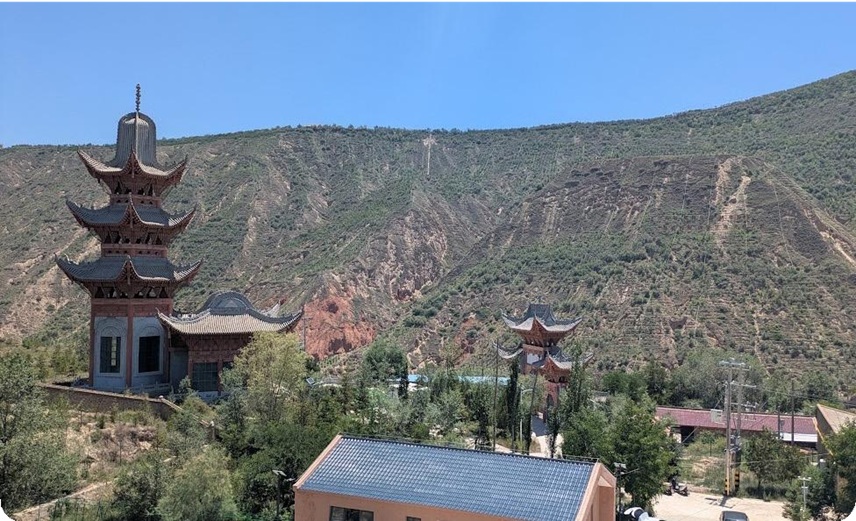
Since the opening-up of the 1970s, China has lifted more than 800 million rural residents out of poverty. In 2012, Xi Jinping made the definitive elimination of absolute poverty a national priority. This historic transformation relies on monumental public financial commitment:
- 1.6 trillion yuan in public investments,
- 9.2 trillion in targeted loans for agro-industry;
- 100.5 billion in direct solidarity transfers from wealthier Eastern provinces to the poorer West);
- Added to that, 710 billion yuan in local microcredits.
Far from passive welfare, public financial power irrigates the real economy to guarantee a dignified job for every citizen, illustrating the 16th-century French economist Jean Bodin’s maxim: “There is no wealth but men.” The monitoring transition period that began in 2021 concludes in 2026, opening the phase of lasting consolidation.
Concrete Achievements in Gansu and Ningxia
In Gansu, the village of Bulenggou embodies this renewal. Once landlocked and destitute, the village was transformed in ten years thanks to paved roads, running water, electricity, and the construction of a school. Today, it counts 17 livestock farmers, 6 cooperatives, and 3 farms (6,020 sheep, 95 cattle). With embroidery workshops for women, the average annual per capita income reached 13,120 yuan at the end of 2025 (eight times that of 2012).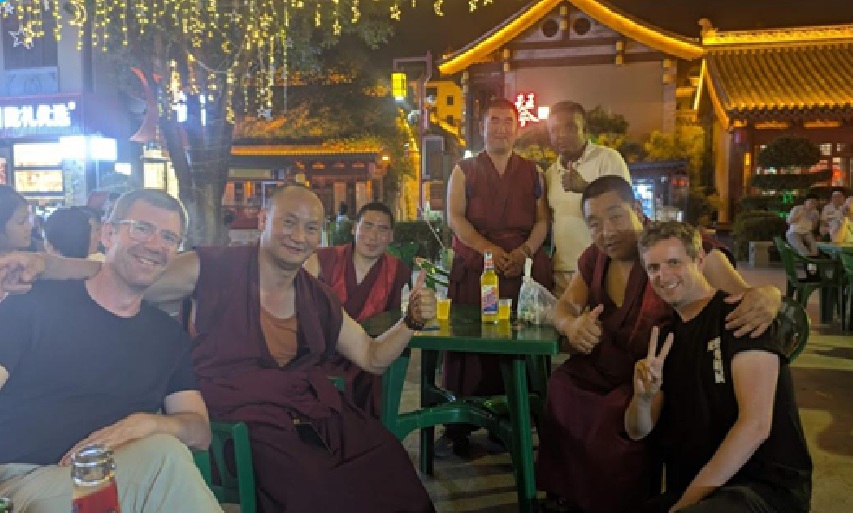
In Lanzhou, the Party School recalled the national scale of the plan: 832 counties and 128,000 villages modernized, providing a decent standard of living for 100 million rural residents and healthcare for 200 million citizens in less than ten years. To prevent any relapse, Gansu uses a “one-click diagnosis”: via a simple QR code and AI, vulnerable citizens alert the authorities, while thousands of local officials provide personal, human follow-up.
In Ningxia, agricultural modernization combines technology and autonomy. Near Tianshui, automated orchards employ drones, sensors, and AI to anticipate harvests, transforming peasant labor into highly skilled employment. The Fujian-Ningxia interprovincial cooperation enabled the revival of Hongde village (5,000 inhabitants, 85% from the Hui ethnic group), which has become an agro-industrial model. In Yinchuan, the Changcheng Huayuan community offers families care, psychological support, and cultural activities. And than, in Minning, an e-commerce workshop employs 40 women and people with disabilities to sell honey and goji berries online, securing them a salary of 3,500 to 6,000 yuan.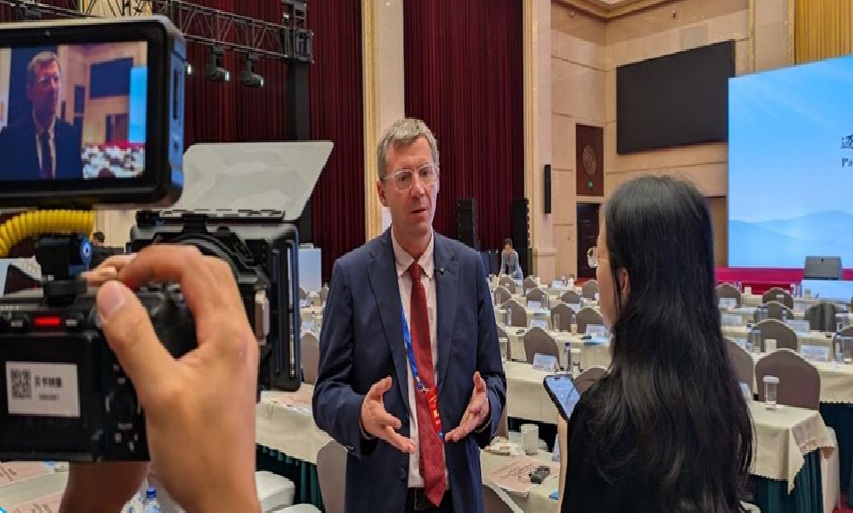
Lessons for the Future
At the Yinchuan seminar, our hosts reiterated that it is not a matter of imposing a model, but of placing human beings and productive investment at the heart of priorities. I highlighted the kinship between this vision and the French tradition of the National Council of the Resistance, based on Indicative Planning and Productive Public Credit.
Beyond technical successes, however, the warm fraternity forged within our international delegation bears witness to the living power of the dialogue among civilizations. By sharing our stories and hopes, we proved that the mutual elevation of peoples is within our reach. In the face of global tensions, this fraternal communion shows that a future of lasting peace rests on shared progress, mutual understanding, and the noble pursuit of the dignity of every culture.


